
Trends · 9 mins read
Why Weddings Feel Different in 2026
After a season of back-to-back celebrations, one thing is clear: couples have quietly rewritten the rules. A feature report on the wedding trends defining 2026.
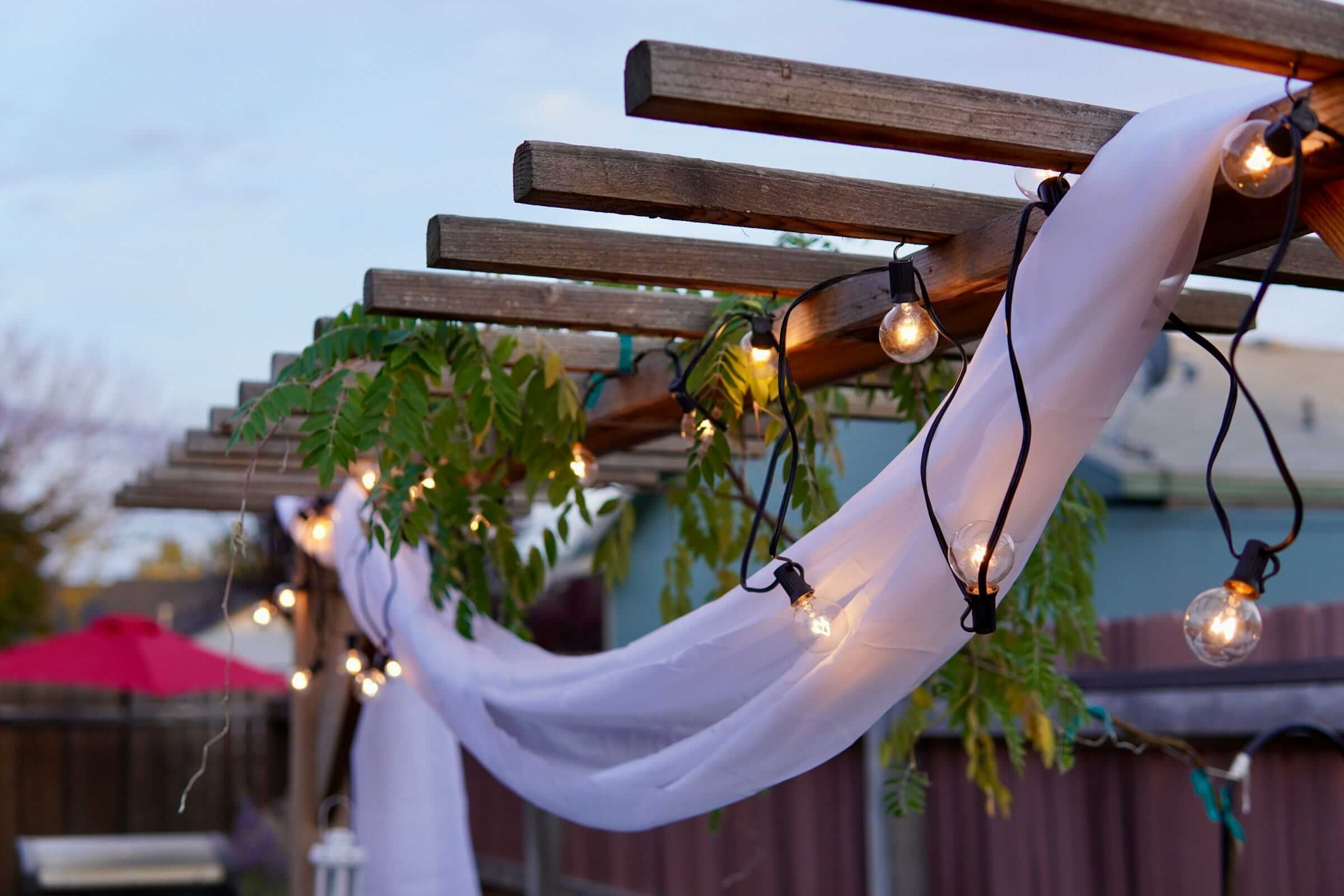
After a season of back-to-back celebrations, one thing is clear: couples have quietly rewritten the rules.
I have lost count of how many weddings I attended this past year. Enough that the open bars and first dances start to blur together — and enough that the patterns become impossible to ignore. Somewhere between the dozenth ceremony and the umpteenth slice of cake, I realized I wasn't watching the same wedding on repeat anymore. Something has shifted.
The weddings of 2026 don't look like the weddings of even three or four years ago. The big, blueprint-perfect productions — matching everything, packed guest lists, a timeline run like a military operation — are giving way to celebrations that feel looser, warmer, and unmistakably personal. Couples have stopped asking "what is a wedding supposed to look like?" and started asking "what feels like us?"
Here is what I keep seeing, again and again.
The room you walk into is doing more with less
The first thing I noticed was the décor — specifically, how much of it had vanished. Where receptions once drowned every surface in centrepieces, the most striking rooms this year were the restrained ones. One reception I attended had a single, enormous floral installation suspended over the dance floor and almost nothing else. It was the most photographed thing all night.
This is minimalism, but not the cold, empty kind. Couples are spending the same budget on fewer, bolder elements: one architectural backdrop instead of forty centrepieces, dramatic lighting instead of clutter, a few premium blooms instead of wall-to-wall flowers. The effect is calmer and, frankly, more expensive-looking. Restraint, it turns out, reads as luxury.
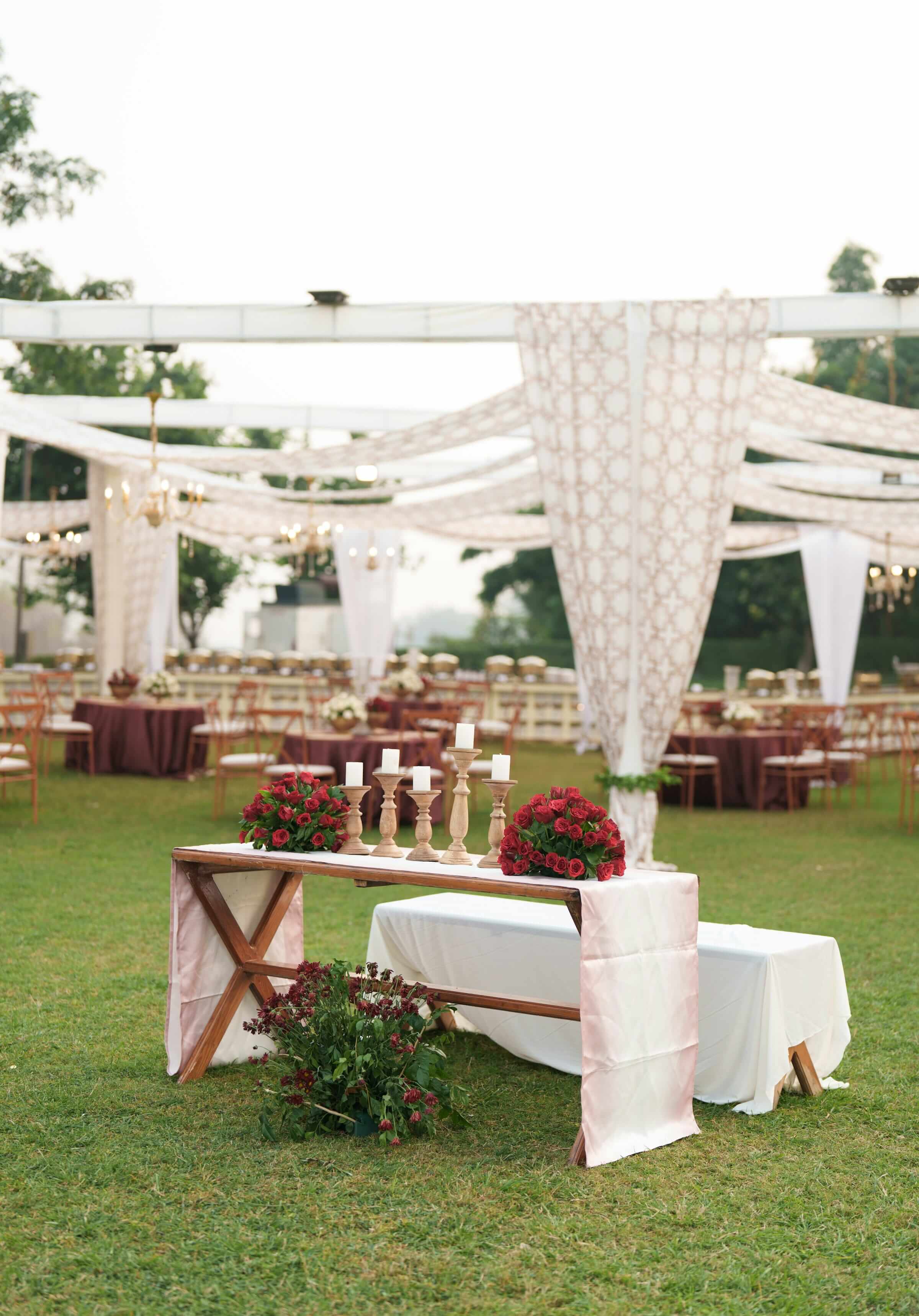
Everyone is going outside
Ballrooms haven't disappeared, but they're losing ground fast. The most memorable settings I found myself in this year were outdoors — a garden ceremony where the light did all the work, a beach reception that needed almost no styling, a dinner under string lights in an orchard. Couples are choosing venues with built-in atmosphere so they don't have to manufacture it.
The aesthetic that goes with these spaces has settled into something soft and organic: greenery-heavy arrangements, wildflowers over hothouse roses, wooden textures, natural linen, warm lighting from lanterns and fairy lights rather than harsh overheads. It photographs beautifully, and it feels relaxed in a way no ballroom ever quite manages.
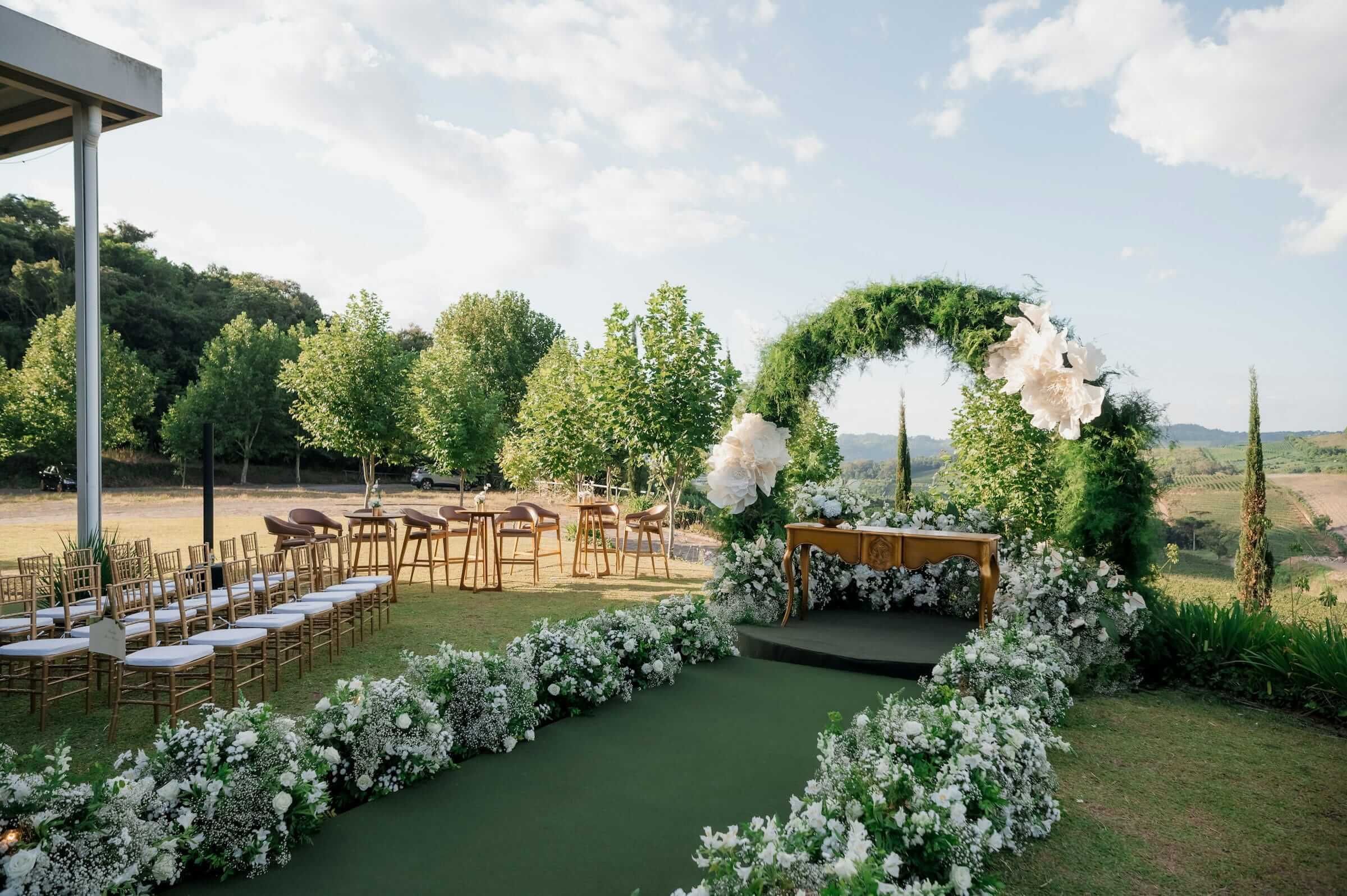
The color palette has calmed down
Hand in hand with the outdoor shift, the colors have softened. The bold, saturated schemes are fading in favour of earthy, neutral tones — sage green, champagne gold, dusty rose, warm beige, soft terracotta. I saw these everywhere: in the bridesmaids' mismatched dresses, the table linens, the floral arrangements, even the stationery. They're romantic without being saccharine, and they have the advantage of looking timeless rather than tied to a particular year.
Restraint, it turns out, reads as luxury.
Smaller guest lists, richer experiences
Some of the best weddings I attended this year were also the smallest. The micro wedding has shed its reputation as a budget compromise and become a deliberate choice. With twenty to eighty guests instead of three hundred, couples are pouring their resources into the experience: better food, thoughtful details, real hospitality.
And you feel the difference as a guest. At a small wedding, the couple actually has time to sit with you. Conversations go deeper. The day feels less like a performance for a crowd and more like a gathering of the people who genuinely matter. More than one couple told me the intimacy was the whole point.
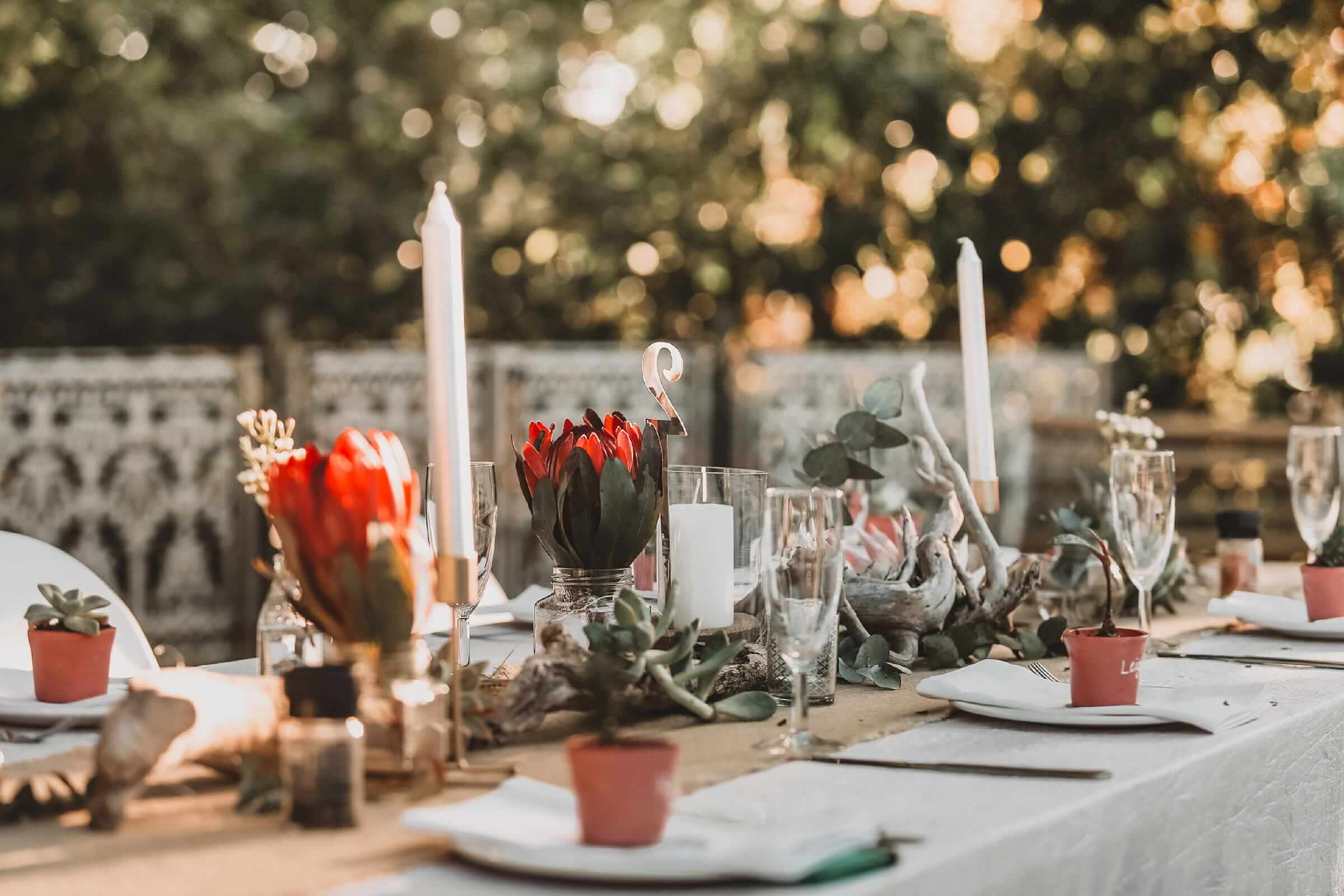
The day is built around joy, not the schedule
The rigid, minute-by-minute timeline is on its way out. The weddings that felt the most alive this year were the ones that gave the day room to breathe — longer cocktail hours where people actually talked, ceremonies that weren't rushed, and a general sense that the couple was prioritizing fun over formality.
The after-party has become its own event. Late-night snacks appearing just when energy dips, an espresso martini bar, a switch from the band to a casual DJ set, even a costume change. Some couples are stretching the whole thing into a weekend — a welcome gathering the night before, a slow brunch the morning after. The wedding is becoming a celebration in chapters rather than a single high-pressure afternoon.
Food has become part of the show
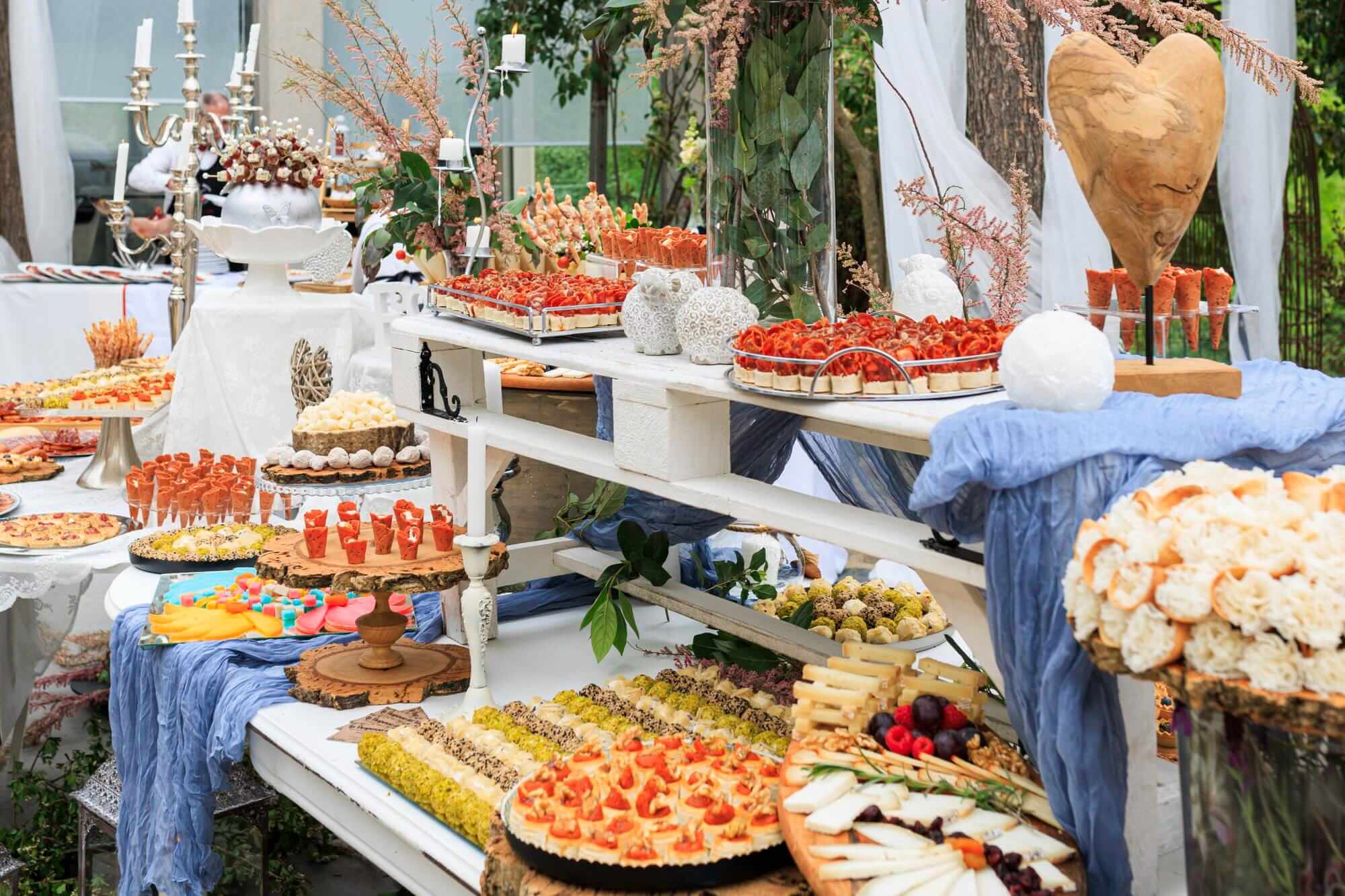
Dinner is no longer just dinner. At several weddings this year, the catering was the décor — sculptural grazing tables, a live pasta or sushi station, a champagne tower that doubled as a centrepiece, dessert displays styled like art. Guests gather around these moments; they become the social heart of the reception.
It fits the larger theme. Couples want the food to be something their guests experience and remember, not just something served and cleared.
Everything is being personalized
If there's a single thread running through all of it, it's personalization — and it has gotten far more thoughtful than monogrammed napkins. The ceremonies I found most moving were the story-driven ones: vows the couple actually wrote, an officiant recounting how they met, small rituals that meant something specific to them.
The personal touches extend everywhere. Signature cocktails named after the couple or their pets. Handwritten welcome notes at each place. Playlists built from songs that actually mattered to them. Cultural traditions from both partners woven together. None of it is borrowed from a Pinterest board, and that's exactly the point — guests remember the weddings that feel authentic far longer than the ones that simply look impressive.
The camera is always rolling — but differently
Photography has changed character, too. The stiff, posed portraits are giving way to editorial and documentary styles — film-inspired grain, candid moments, cinematic black-and-white, the occasional artful motion blur. The goal is emotion over perfection.
And there's a new face in the vendor lineup: the content creator, working alongside the traditional photographer to capture candid, phone-style clips and deliver share-ready video within hours. It's not about performing for social media, as the couples are quick to clarify — it's about capturing the feeling of the day while it's still warm, and being able to relive it almost immediately.
What it all adds up to
Step back from the individual trends and the bigger picture is simple. Weddings in 2026 are more personal, more intentional, and more focused on experience than on spectacle. The couples I watched this year weren't trying to recreate something they'd seen online. They were trying to build a day that felt like theirs — and that their guests would actually remember.
So if you're planning a wedding for the year ahead, here's the most useful thing I learned from a season of watching other people do it: the best trend to follow isn't a color, a venue, or a style. It's authenticity. Ask whether each choice feels like you, whether your guests will remember it, and whether it'll still feel beautiful years from now. Get those answers right, and the rest takes care of itself.
About the author
Marry Editorial
Wedding planning guides and tips for couples building their perfect day on Jom Marry.
Ready to start planning?
Build your free wedding website and track every task in one place.
You might also like
Average Wedding Guest Count in Malaysia: What Couples Should Expect
How to Plan a Wedding in 2026: A Realistic Month-by-Month Guide
Complete Wedding Planning Checklist for New Couples
More to come
New stories on the way. Check back soon.